If you’ve ever come across the word “habibti” in a message, comment, or caption, you’re not alone in wondering what it actually means. It pops up everywhere—from WhatsApp chats to Instagram reels—and often carries a warm, emotional tone that’s hard to ignore.
People search for “habibti meaning” because they want clarity. Is it romantic? Friendly? Cultural? Or just another internet slang term?
The truth is, habibti is more than just a word. It carries cultural depth, emotional warmth, and a sense of connection that modern communication often lacks. Once you understand it, you’ll start noticing how powerful—and versatile—it really is.
Habibti Meaning – Quick Meaning
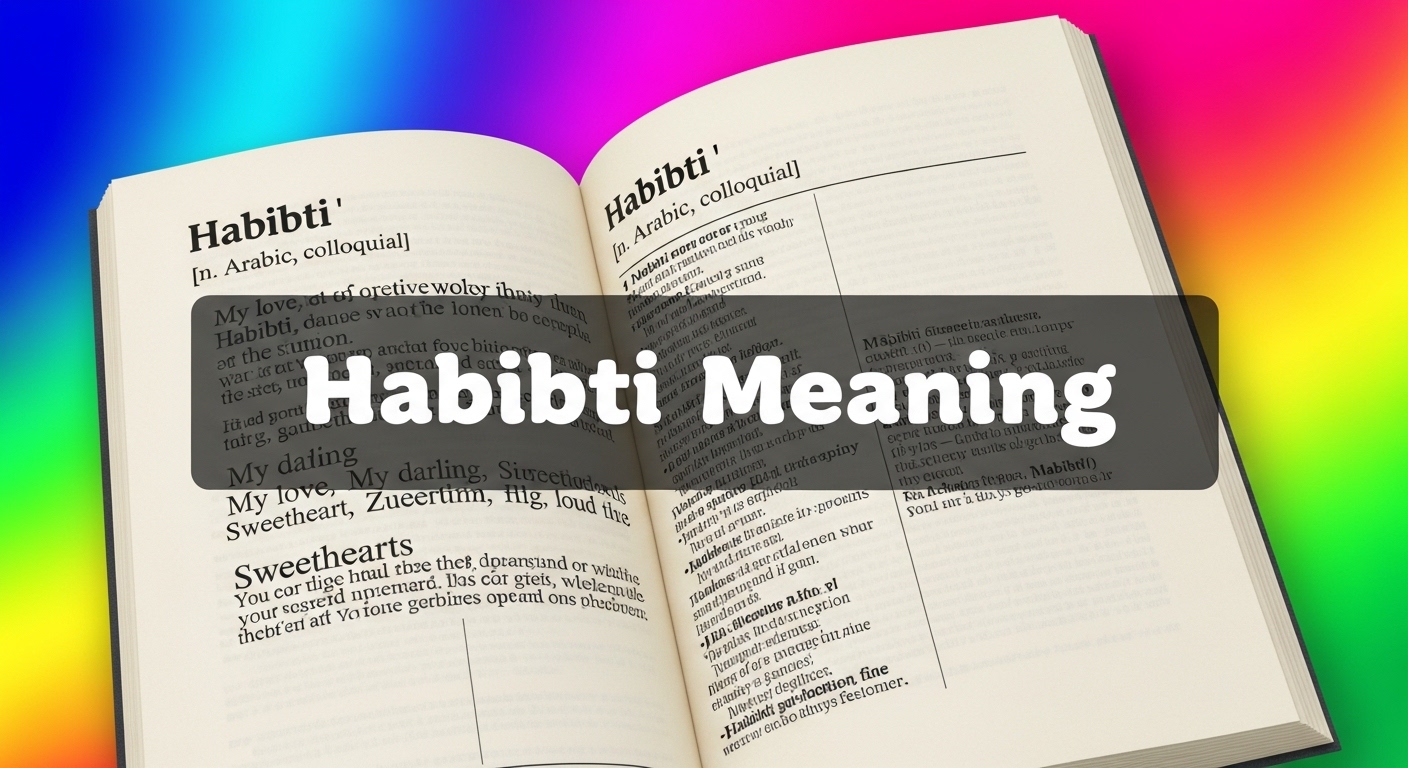
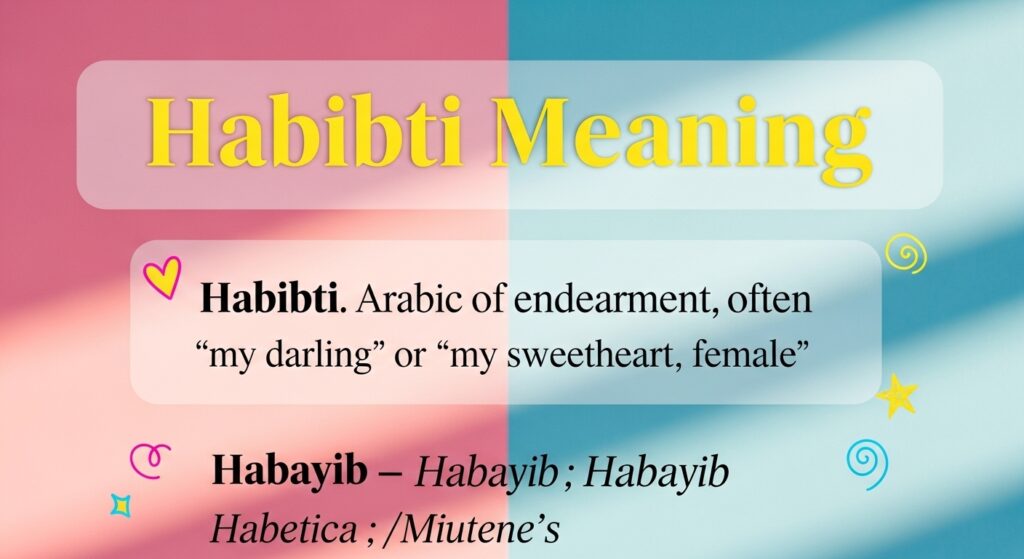
Habibti (حبيبتي) is an Arabic word that means:
- “My love”
- “My dear”
- “Sweetheart” (feminine form)
It is used to address a female with affection.
Simple examples:
- “Miss you, habibti ❤️”
- “You did amazing, habibti!”
- “Good night, habibti 🌙”
At its core, habibti expresses warmth, closeness, and emotional connection.
Origin & Background
The word habibti comes from Arabic, derived from the root word “habib”, which means “beloved” or “loved one.” Arabic is known for its poetic and expressive nature, and this word reflects that beautifully.
The “-ti” ending makes it feminine. So:
- Habibi → for a male
- Habibti → for a female
Cultural influence
In Middle Eastern cultures, words like habibti are used freely—not just in romantic relationships, but also among friends, family members, and even casually in conversation.
Social media impact
Over time, platforms like TikTok and Instagram helped globalize the word. Influencers, creators, and everyday users began using habibti in captions and comments, often without fully understanding its roots—but still carrying its emotional tone.
Now, it’s part of global internet culture.
Real-Life Conversations
Here’s how habibti naturally appears in everyday chats:
WhatsApp Chat
Person A: I finally got the job 😭
Person B: I’m so proud of you, habibti ❤️
Instagram DMs
Person A: You look stunning in that dress
Person B: Thank you habibti 😘
TikTok Comments
Person A: This video made my day
Person B: Aww habibti, that means so much 💕
Text Message
Person A: Are you okay? You seemed quiet today
Person B: I’m fine now, habibti. Just needed some rest
These examples show that the word adapts to emotion—support, love, admiration, or care.
Emotional & Psychological Meaning
Using habibti isn’t just about language—it’s about emotional intention.
It communicates:
- Warmth
- Care
- Emotional closeness
- Softness in tone
In a world where texts can feel cold or rushed, adding a word like habibti instantly makes a message feel more human.
Why people use it
People are drawn to expressions that feel intimate but simple. Habibti fills that gap—it’s short, meaningful, and emotionally rich.
A real-life scenario
Imagine a friend going through a tough time. Instead of saying “You’ll be fine,” you say:
“Stay strong, habibti.”
That one word softens the message. It adds empathy without needing extra explanation.
Usage in Different Contexts
Social Media
On platforms like Instagram or TikTok, habibti is often used:
- In captions: “Living my best life, habibti 💃”
- In comments: “You’re glowing, habibti!”
It creates a friendly, affectionate tone.
Friends & Relationships
Among friends, especially female friendships, it’s very common:
- “Let’s meet soon, habibti”
- “Miss you so much, habibti”
In romantic relationships, it becomes more intimate.
Work / Professional Settings
Here’s where you need to be careful.
Using habibti in professional communication can feel:
- Too personal
- Culturally inappropriate
- Unprofessional
Unless you share a close, informal relationship, it’s best avoided.
Casual vs Serious Tone
- Casual: playful, friendly
- Serious: comforting, emotional
The meaning shifts depending on tone and context.
When NOT to Use It
Despite its beauty, habibti isn’t always appropriate.
Avoid using it:
- In formal emails or workplace messages
- With strangers who may misunderstand the tone
- In cultures where affectionate language feels intrusive
- In situations requiring strict professionalism
Cultural sensitivity matters
What feels warm in one culture may feel too intimate in another. Always read the context.
Common Misunderstandings
1. Thinking it’s only romantic
Many assume habibti means romantic love. In reality, it’s often used between friends and family.
2. Gender confusion
Using habibti for a male is incorrect. That’s where habibi should be used.
3. Tone misinterpretation
Some people may read it as flirtation—even when it’s not intended that way.
4. Literal vs emotional meaning
It literally means “my love,” but emotionally it can mean:
- “I care about you”
- “You matter to me”
Comparison Table
| Expression | Meaning | Tone | Usage |
|---|---|---|---|
| Habibti | My love (female) | Warm, affectionate | Friends, family, romantic |
| Habibi | My love (male) | Warm, affectionate | Same as above |
| Babe | Romantic partner | Intimate | Mostly romantic |
| Dear | Polite affection | Formal/light | Emails, messages |
| Bestie | Close friend | Casual, fun | Friendships |
Key Insight
What makes habibti unique is its flexibility. It blends emotional depth with everyday usability, something most English equivalents struggle to balance.
Variations / Types
Here are common variations you’ll see:
- Habibi – Male version of habibti
- Ya habibti – “Oh my love” (more emotional)
- Habib albi – “Love of my heart”
- Habibti roohi – “Love of my soul”
- Habibti wallah – Emphasized affection (“I swear, my love”)
- Habibti forever – Modern slang mix
- Habibti girl – Social media style usage
- My habibti – English-Arabic blend
- Habibti queen – Compliment style
- Habibti vibes – Used in captions
Each variation adds a slightly different emotional layer.
How to Respond When Someone Uses It
Casual replies
- “Aww thank you!”
- “You’re so sweet!”
Funny replies
- “Okay habibti, calm down 😄”
- “Only if you bring food 😜”
Mature replies
- “I appreciate that a lot.”
- “That means more than you know.”
Respectful replies
- “Thank you, that’s kind of you.”
- “I’m grateful for your words.”
Your response should match the tone of the conversation.
Regional & Cultural Usage
Western Culture
In Western countries, habibti is often used as:
- A trendy, affectionate term
- A stylistic addition to captions
Sometimes, it’s used without deep cultural understanding.
Asian Culture
Usage is growing, especially among younger audiences. It’s seen as:
- A “cool” or global expression
- A soft, emotional term
Middle Eastern Culture
Here, habibti is natural and deeply rooted.
It’s used daily among:
- Family members
- Friends
- Partners
It carries genuine emotional weight.
Global Internet Usage
Online, habibti has become:
- A universal sign of affection
- A cross-cultural connector
Its meaning stays mostly positive.
Generational Differences
- Gen Z: Uses it casually, often playfully
- Millennials: Use it more intentionally and emotionally
Is It Safe for Kids?
Yes, habibti is generally safe.
It’s a positive, affectionate word with no harmful meaning.
However, context matters. Kids should understand:
- Who they’re saying it to
- When it’s appropriate
With guidance, it’s completely harmless.
FAQs
What does habibti mean in English?
It means “my love” or “my dear,” specifically when addressing a female.
Is habibti romantic?
Not always. It can be romantic, but it’s also used between friends and family.
What is the difference between habibi and habibti?
Habibi is for males, while habibti is for females.
Can I use habibti with friends?
Yes, especially close friends. It expresses warmth and affection.
Is it okay to use habibti if I’m not Arabic?
Yes, but use it respectfully and understand its meaning.
Why do people use habibti online?
Because it adds emotional warmth and feels more personal than standard words.
Is habibti flirting?
It can be—but it depends on context and tone.
Conclusion
Habibti is more than just a word—it’s a feeling wrapped in language.
It carries warmth, connection, and emotional softness in a way that few words do. Whether you’re using it with friends, family, or someone special, it has the power to make communication feel more human.
As global culture continues to blend, words like habibti remind us that language isn’t just about meaning—it’s about connection.
Use it with awareness, respect, and authenticity—and it will always sound right.
Discover more posts:
- ADS Full Form – Meaning, Uses in Chat & 10 Languages
- CPU Full Form: Meaning, Definition & 10 Language Translations
- PDO Full Form: Meaning in English, Government, Work & 10 Languages
- PCMC Full Form: Meaning, Uses & Definitions in All Languages
- BAE Full Form: Meaning in Chat, Text, and Different Languages