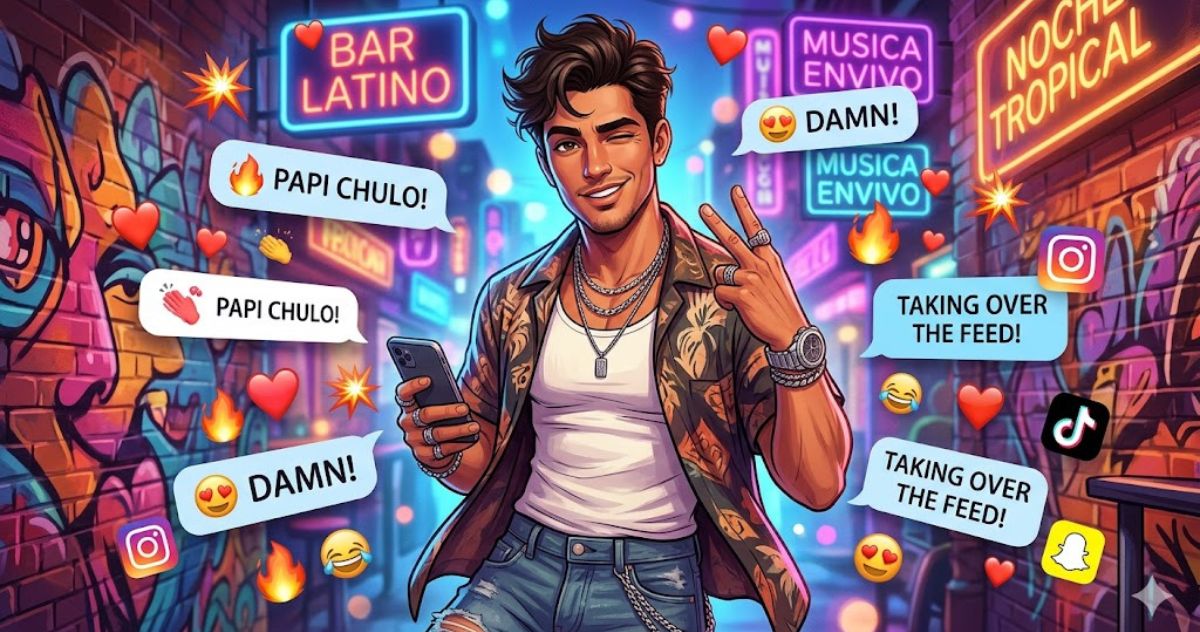
Language on the internet moves fast, but some phrases travel even faster because they feel expressive, emotional, and a little playful. One of those phrases is “papi chulo meaning.”
People search it because they hear it in songs, TikTok videos, Instagram captions, or even casual chats and suddenly wonder—Is this a compliment? A joke? Or something deeper?
The confusion is real because “papi chulo” sits in that interesting space between flirting, slang, and cultural expression. It sounds sweet, a little bold, and sometimes even confusing depending on who says it and how.
This article breaks it down in a real, human way—so you don’t just understand the meaning, but also feel how it’s used in everyday communication.
Papi chulo meaning – Quick Meaning
At its core, “papi chulo” is a Spanish slang expression that blends affection, attraction, and playful confidence.
In simple terms:
- “Papi” = daddy / handsome man / attractive guy (used casually, not literally)
- “Chulo” = cool, stylish, attractive, or sometimes cocky
So together, “papi chulo” generally means:
- A charming or attractive man
- A flirty way of calling someone “handsome”
- A confident guy who knows he looks good
Example sentences:
- “Hey papi chulo, where have you been all day?”
- “Look at him acting like a papi chulo.”
- “She called him papi chulo and he instantly smiled.”
The tone decides everything—romantic, playful, or teasing.
Origin & Background
The phrase comes from Spanish-speaking cultures, especially Latin American and Caribbean communities. Over time, it moved from everyday slang into global pop culture.
Music played a huge role in spreading it. Latin pop, reggaeton, and hip-hop often use terms like “papi” and “chulo” to express attraction and confidence.
Social media then accelerated its popularity. Short video platforms turned it into a catchy, viral expression used in captions, memes, and comments.
Today, it is no longer limited to Spanish speakers. It has become part of global internet slang where meaning shifts depending on tone and context.
Real-Life Conversations (MANDATORY)
WhatsApp Chat
Person A: Are you coming to the party tonight?
Person B: Maybe… why?
Person A: Because you’re acting like a total papi chulo today 😏
Instagram DM
Person A: That outfit is fire 🔥
Person B: Stop it haha
Person A: No seriously, you look like a papi chulo in that fit
TikTok Comment Section
User 1: Who is this guy??
User 2: The real papi chulo of this trend 😂
Text Message
Person A: I saw you at the café
Person B: Why didn’t you say hi?
Person A: I was busy admiring the papi chulo energy from afar
Emotional & Psychological Meaning
Beyond slang, “papi chulo” carries emotional weight. It’s not just about appearance—it reflects admiration, attraction, and playful confidence.
People use it because:
- It feels light and non-serious
- It expresses attraction without being too direct
- It adds humor and charm to conversations
Psychologically, it often signals comfort and familiarity. You don’t usually call a stranger “papi chulo” in a serious tone. It’s used when there’s already a relaxed emotional connection.
Scenario Example:
Imagine someone posts a confident selfie. Instead of saying “you look good,” a friend comments “papi chulo vibes.” It feels warmer, more expressive, and socially engaging.
Usage in Different Contexts
Social Media
On platforms like Instagram and TikTok, it’s used as playful praise or teasing attraction.
Friends & Relationships
Among friends, it’s often joking or flirty. In relationships, it can become a sweet nickname.
Work / Professional Settings
Not appropriate. It can easily sound unprofessional or confusing in formal communication.
Casual vs Serious Tone
- Casual: playful compliment
- Serious: rarely used, can feel awkward or out of place
When NOT to Use It
Even though it sounds fun, context matters.
Avoid using it:
- With people you don’t know well
- In formal or professional messages
- In cultures where slang may be misunderstood
- If the tone could be taken as disrespectful
Sometimes what feels like a harmless joke online can feel too personal offline.
Common Misunderstandings
Many people misinterpret “papi chulo” because of literal translation.
Common mistakes:
- Thinking it always means “dad” (it doesn’t)
- Assuming it is always romantic (it can be playful too)
- Believing it is offensive (context matters heavily)
Tone confusion is the biggest issue. The same phrase can sound flirty, funny, or even sarcastic depending on delivery.
Comparison Table
| Term | Meaning | How to Use | Example Intent |
|---|---|---|---|
| Papi chulo | Attractive or charming man | Casual/flirty tone | Complimenting someone’s looks |
| Papi | Daddy / affectionate term | Romantic or playful | “Hey papi, miss you” |
| Chulo | Cool / stylish | Descriptive slang | “That car is chulo” |
| Flirty slang | Playful attraction language | Social media/chat | Expressing interest indirectly |
Key Insight:
“Papi chulo” is more expressive than literal. It combines charm, attraction, and playful emotion rather than just describing appearance.
Variations / Types (Minimum 8–10)
1. Papi chulo meaning in text
Used in chats to compliment someone attractively or playfully.
2. Papi chulo meaning slang
Informal internet expression for a confident, attractive guy.
3. Papi chulo meaning in chat
Used in messaging apps to flirt or tease lightly.
4. Papi chulo meaning abbreviation
Not an abbreviation, but shortened in casual typing.
5. Papi chulo meaning social media
Used in captions or comments to express admiration.
6. Papi chulo meaning in English
Means attractive, stylish, or charming man.
7. Papi chulo meaning in memes
Used humorously to describe confident or stylish behavior.
8. Papi chulo meaning in flirting
Light romantic teasing or attraction expression.
9. Papi chulo meaning sarcastic
Can be used jokingly to tease someone acting overly confident.
10. Papi chulo meaning cultural slang
A Latin-origin phrase now global in internet communication.
How to Respond When Someone Uses It
Casual Replies
- “Haha you’re funny 😄”
- “Stop it, you’re exaggerating”
Funny Replies
- “Only on weekends 😎”
- “Certified papi chulo energy confirmed 😂”
Mature Replies
- “That’s kind of you, thank you”
- “Appreciate the compliment”
Respectful Replies
- “I understand, thanks for the support”
- “Glad you think so”
Regional & Cultural Usage
Western Culture
Used widely in pop culture and social media, often in a playful tone.
Asian Culture
Mostly used online; sometimes misunderstood due to literal translation.
Middle Eastern Culture
Less common in daily speech but appears in internet slang contexts.
Global Internet Usage
A blended meaning—flirty, humorous, and expressive depending on context.
Gen Z vs Millennials
- Gen Z: meme-based, playful usage
- Millennials: more aware of cultural meaning and tone sensitivity
Is It Safe for Kids?
It is generally considered teen or adult slang. While not extremely offensive, it carries flirtatious undertones, so it’s better suited for mature or social media contexts rather than young children.
FAQs
What does papi chulo mean in slang?
It means an attractive, confident, or charming man in a playful or flirty way. It is not literal and depends heavily on tone.
Is papi chulo flirty?
Yes, it can be flirty. People often use it to show attraction, admiration, or playful interest in someone’s appearance or personality.
Can I call my bf papi chulo?
Yes, many couples use it as a cute or teasing nickname. It works best in a fun, relaxed relationship dynamic.
What is papi chulo for females?
For females, the common version is “mami chula,” which carries a similar meaning of attractiveness and confidence.
Is papi chulo offensive?
Generally no, but it can feel inappropriate in formal settings or if used with the wrong tone or person.
Where is papi chulo commonly used?
It is widely used in Latin American slang and global social media platforms like TikTok, Instagram, and chats.
Is papi chulo romantic or just friendly?
It can be both. Between couples it may feel romantic, while among friends it is often playful or humorous.
Can girls use papi chulo?
Yes, girls often use it to tease or compliment boys, especially on social media or in casual conversations.
What is the difference between papi and papi chulo?
“Papi” is more general and affectionate, while “papi chulo” adds a stronger sense of confidence, style, or flirtiness.
Is papi chulo used in texting and social media?
Yes, it is very common in texting, memes, captions, and comments where people want to sound playful or expressive.
Conclusion
“Papi chulo” is more than just slang—it is a cultural expression shaped by music, internet trends, and everyday conversations. It carries charm, humor, and playful attraction depending on how it is used. While it may sound simple, its emotional tone changes with context and relationship. Understanding it helps you communicate more naturally in modern digital spaces. Use it wisely, keep it light, and let the tone guide its meaning in conversations where expression matters most.